Categorias
Posts recentes
Telefone :
+ 86 018059983973Fax :
+86-595-22515221Email :
sales3@gester-instruments.comAdicionar :
No.15, Chifeng Road, Licheng Region, Quanzhou city of Fujian PR,China.Como escolher um
Equipamento de teste de cadeiras para as suas necessidades
Seja uma fábrica de móveis ou um laboratório de controle de qualidade, ele abriga várias amostras de produtos de cadeiras para verificação de desempenho. Você precisa testá-las adequadamente para proteger sua marca contra riscos de segurança do produto e facilitar a detecção e correção de defeitos de design. Você pode usar o Equipamento de Teste de Cadeiras para isso.
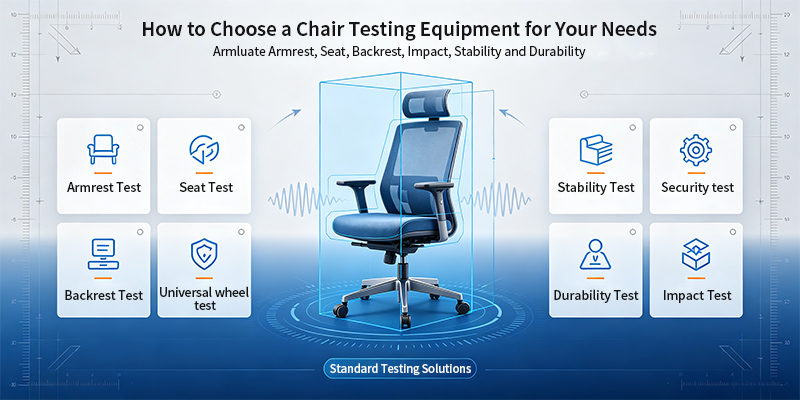
Você pode obtê-las em diferentes configurações, contagens de estações e funções de teste, dependendo do uso pretendido. E essas máquinas não apenas reduzem o risco de falha do produto e responsabilidades por acidentes de segurança, mas também simplificam a inspeção de qualidade e a otimização do design do produto.
Tipos de Máquinas de Teste de Cadeiras
A Máquina de Teste de Cadeiras ideal para você dependerá do uso pretendido. Aqui estão algumas de suas opções:
1. Testador de braço e assento de cadeira
Este tipo de equipamento foi projetado para testar braços e assentos de cadeiras. Pode ser usado quando o requisito de teste se concentra nessas áreas específicas de uma cadeira.
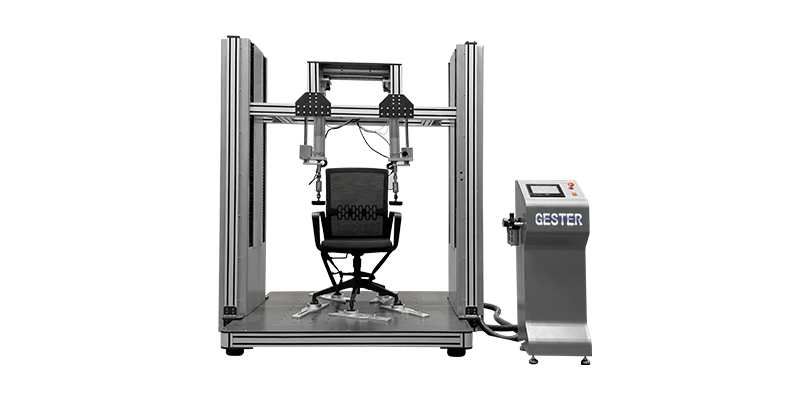
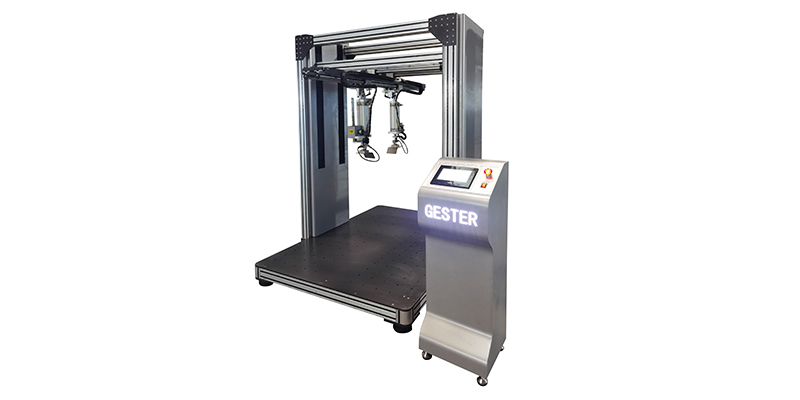
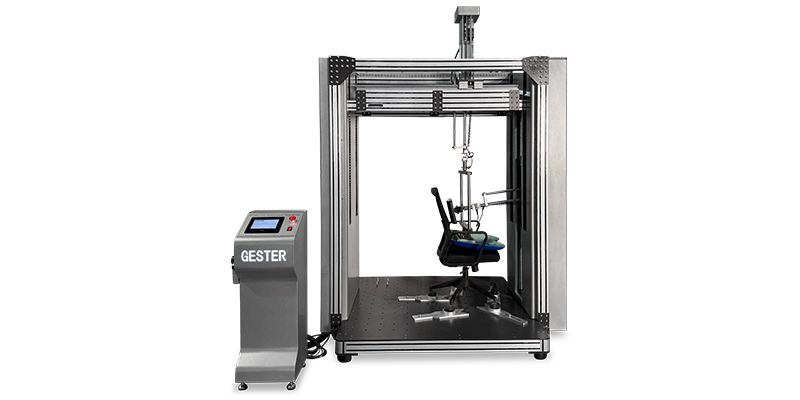
Para aplicações que exigem duas posições de trabalho, a Máquina de teste de assento e encosto de cadeira de 2 posições de trabalho GT-LB04-2 oferece outra configuração para testes de assento e encosto de cadeira. Está associada a aplicações de teste de cadeiras ISO 7173, EN 581 e EN 1728.
4. Máquina de teste de durabilidade de impacto de assento de cadeira
As cadeiras também podem precisar ser avaliadas sob condições de impacto no assento e durabilidade repetida.
A Máquina de teste de durabilidade de impacto de assento de cadeira GT-LB05 está listada para testes de impacto e durabilidade de assento de cadeira. Também está associada a testes de cadeiras BIFMA e aplicações de equipamentos de teste de móveis.
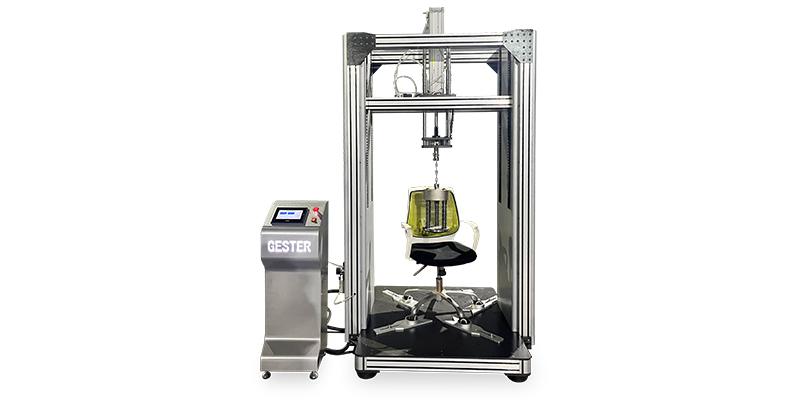
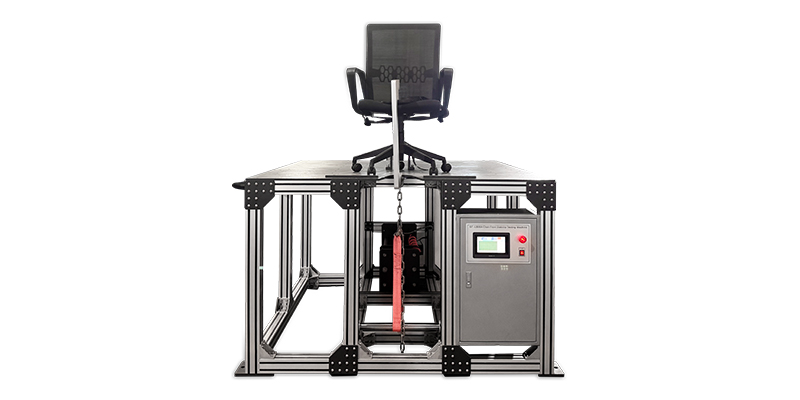
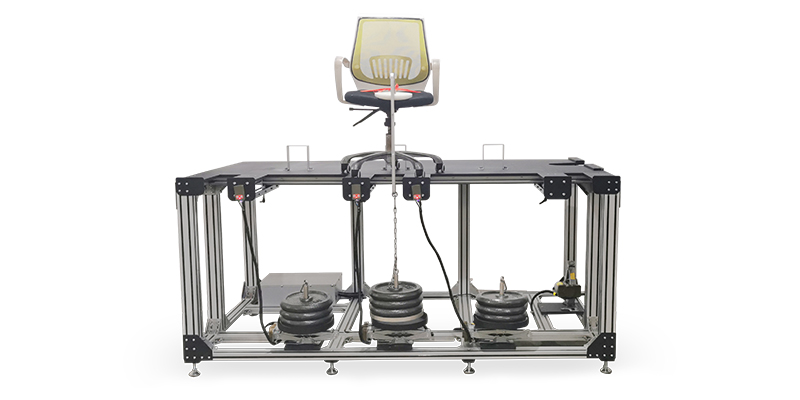
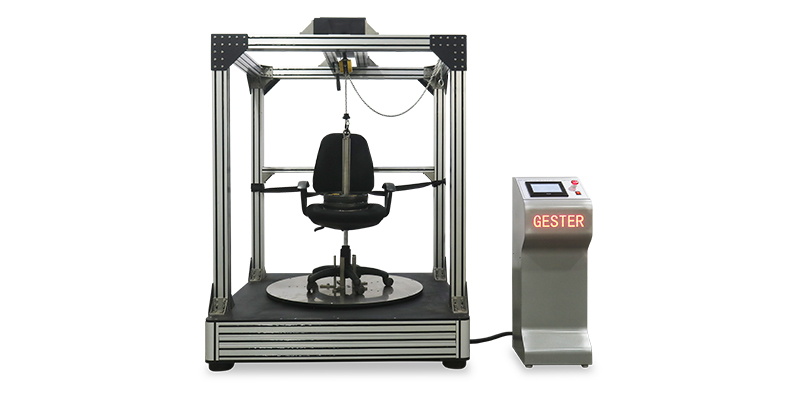
8. Máquina de Teste de Montagem de Cadeira
Alguns requisitos de teste focam na cadeira montada em vez de apenas um componente individual.
A Chair Assembly Testing Machine GT-LB08-02 é listada para testes de montagem de cadeira e está associada a aplicações de testes de montagem de cadeira BIFMA, EN 581 e EN 1728.
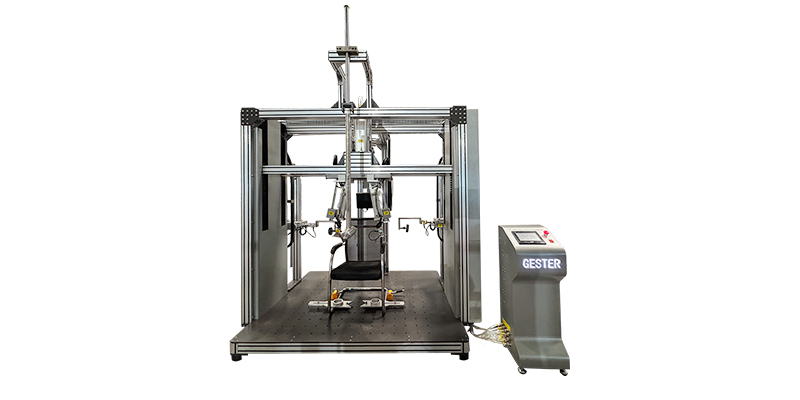
Principais Recursos Funcionais para seu Equipamento de Teste de Cadeira
Você pode fabricar Equipamento de Teste de Cadeira com uma variedade de configurações funcionais. Quatro dos recursos mais focados são precisão de controle de carga, operação por tela sensível ao toque, opção de múltiplas estações e compatibilidade com programas padrão.
1. Controle Preciso de Carga
Eles são estáveis, duráveis e possuem uma alta capacidade de suporte de carga de teste. As máquinas de teste de cadeira estão disponíveis com diferentes sistemas de acionamento:
Acionamento pneumático
Acionamento por cilindro servo
Carregamento estático por bloco de peso
Estes testadores são adequados para aplicações de durabilidade de serviço pesado e podem suportar longas horas de funcionamento contínuo em ambientes de chão de fábrica.
2. Operação por CLP com Tela Sensível ao Toque
Estes testadores são fabricados com painéis de interface homem-máquina integrados, beneficiando-se das propriedades inerentes de equipamentos de teste automatizados — ciclos de teste repetíveis e redução de erro humano.
Eles são ideais para uso em ambientes onde a consistência dos resultados de teste é uma preocupação, como laboratórios de controle de qualidade. Equipamentos de teste de cadeira com controle por tela sensível ao toque são fáceis de configurar e os parâmetros podem ser ajustados para atender a diferentes amostras de cadeiras. Eles também suportam o registro de dados de teste, o que os torna adequados para áreas sensíveis que exigem relatórios de qualidade, como institutos de inspeção de terceiros.
3. Compatibilidade com Programas Padrão
Programas de teste pré-instalados para BIFMA X5.1, EN 1728, EN 1335 tornam a operação muito mais simples. Os operadores podem selecionar diretamente modos de teste padrão sem definir manualmente cada parâmetro. Tais Fabricantes de Máquinas de Teste de Móveis oferecem modificação de programa personalizada quando surgem requisitos de teste especiais.
Onde as Máquinas de Teste de Cadeira são Usadas
Estes testadores são usados em muitos ambientes diferentes, incluindo:
Fábricas de Fabricação de Móveis: Em ambientes como oficinas de produção de cadeiras de escritório, as Máquinas de Teste de Cadeira são frequentemente instaladas internamente para realizar verificações de qualidade de materiais recebidos e produtos acabados.
Laboratórios de Controle de Qualidade Industrial: Amostras de cadeiras precisam ser bem testadas e verificadas nestes ambientes. Como as condições de teste aqui exigem alta repetibilidade, os testadores que você escolher devem ser robustos contra funcionamento cíclico de longa duração e vibração mecânica.
Departamentos de P&D de Móveis: equipamentos de teste de assento são essenciais no desenvolvimento de produtos de mobiliário, fornecendo uma maneira confiável de validar novos designs de estrutura de cadeira.
Laboratórios de Teste de Terceiros: Equipamentos de Teste de Cadeira são comumente usados em laboratórios de teste de terceiros para concluir testes de certificação para produtos de cadeira. Eles são frequentemente configurados com funções de teste de gama completa para satisfazer diferentes necessidades de certificação do cliente.
Escolher o Equipamento de Teste de Cadeiras adequado às suas necessidades garante uma infraestrutura de controle de qualidade de móveis segura e confiável. Considere os fatores discutidos neste artigo, incluindo as dimensões da amostra e as cargas de teste necessárias, o ambiente de trabalho e os requisitos das normas, as considerações sobre a configuração funcional e o custo.
Lembre-se de seguir as melhores práticas de instalação e manutenção para manter seu sistema de Máquina de Teste de Cadeiras operando com desempenho máximo. Você pode desfrutar de resultados de teste de cadeira confiáveis e repetíveis por anos com o equipamento de teste de cadeira correto e a manutenção adequada. Para fabricantes de máquinas de teste de cadeiras, entre em contato com a GESTER.
Telefone :
+ 86 018059983973Fax :
+86-595-22515221Email :
sales3@gester-instruments.comAdicionar :
No.15, Chifeng Road, Licheng Region, Quanzhou city of Fujian PR,China.Por favor leia na, estada afixados, subscreva, e convidamos você nos dizer o que você pensa.
Links amigáveis :
Direitos autorais © 2010-2026 GESTER International Co.,Ltd.Todos os direitos reservados. Ativado por https://www.gestertester.com.